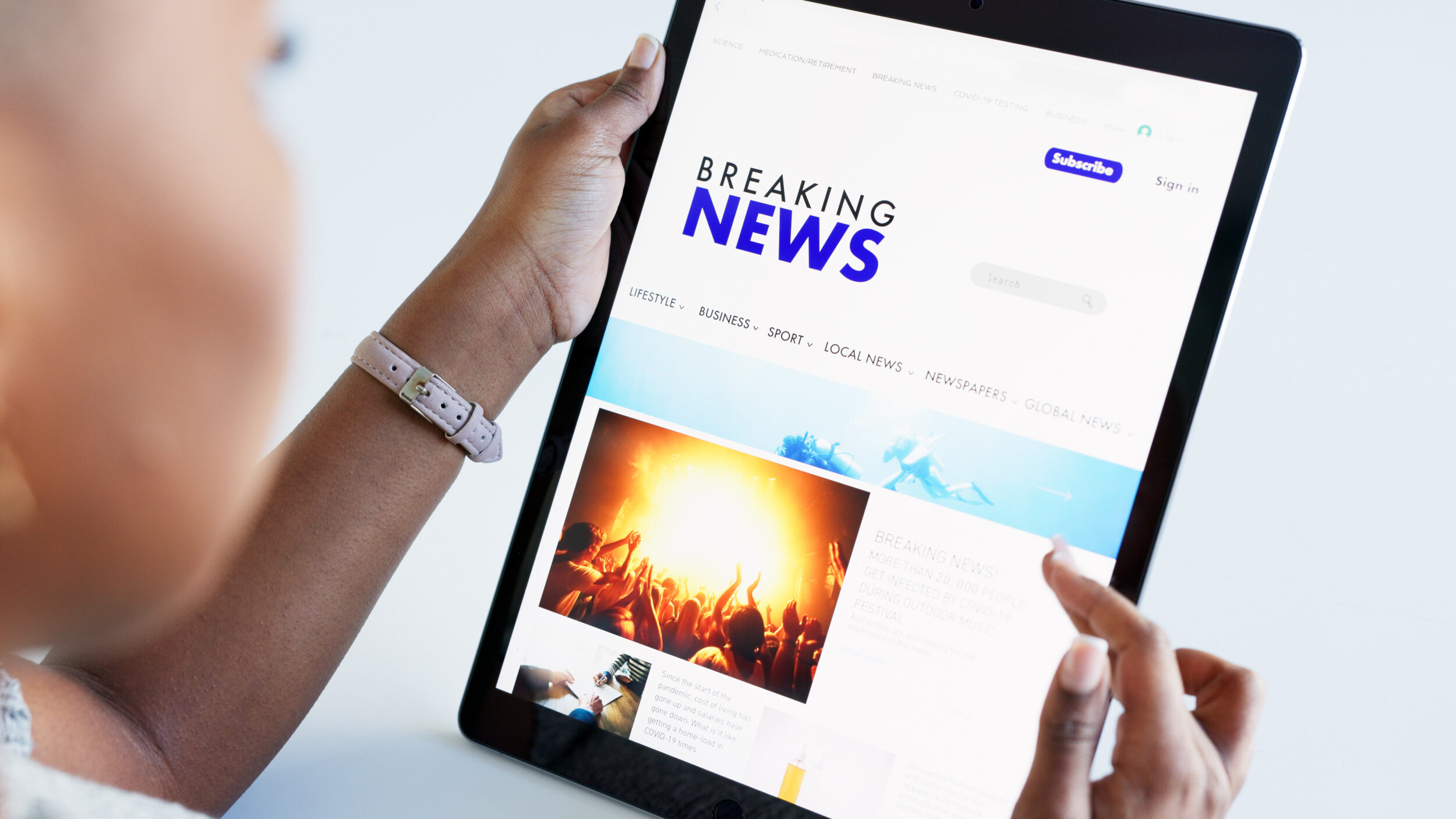

When a crisis hits, the story can break before the media arrives.
A video posted online, a customer complaint shared widely on social media, or a citizen journalist capturing events on a phone can put an organisation under public scrutiny within minutes.
Traditional media will follow quickly, but by then the narrative may already be forming.
In today’s fast-moving media environment, organisations cannot afford to wait until a crisis happens to think about communication.
That’s why crisis media training matters.
Communication Matters More Than Ever
The way an organisation responds in those crucial first moments can influence trust long after the headlines have faded.
A confident, credible spokesperson can reassure stakeholders and demonstrate leadership. A poor response can create confusion, damage reputation and allow others to define the story.
Communicating under pressure is a skill. It isn’t something most people learn in the boardroom, and it certainly isn’t something to improvise when facing journalists, online audiences or public criticism.
This is why crisis media training has become an essential part of modern crisis management.
Preparation Beats Pressure
The best media training doesn’t happen in a lecture room. It happens under pressure.
Realistic scenarios allow participants to experience the challenges of a crisis before facing them for real. They test how people respond to difficult questions, manage uncertainty and communicate clearly when every word matters.
This practical approach helps spokespeople strengthen their media interview skills, refine key messages and build the confidence needed to perform when scrutiny is at its highest.
Simulating Reality of Media Spotlight
A real crisis rarely follows a script. Questions change, new information emerges and public reaction can shift rapidly.
That is why simulated interviews are such a valuable part of effective media interview training. They recreate the pace and unpredictability of today’s media environment, with participants facing challenging questions, follow-up scrutiny and unexpected lines of enquiry.
These exercises reveal how people communicate under pressure and provide an opportunity to improve before the stakes are real.
Learning From Those Who Know Media
Training delivered by experienced journalists brings a level of insight that cannot be replicated through theory alone.
Journalists understand how stories develop, what makes a strong headline and how reporters test a spokesperson’s credibility. Their feedback helps participants improve interview technique, stay focused on key messages and avoid the communication mistakes that can escalate a crisis.
Effective spokesperson training is about developing practical skills that can be applied immediately when facing media scrutiny.
Why Bespoke IS BEST
No two organisations face the same risks.
A healthcare provider, local authority, emergency service or global business will each have different audiences, challenges and reputational concerns. A generic training exercise cannot fully prepare people for the specific pressures they may face.
Effective crisis media training should reflect the organisation, its stakeholders and the scenarios most likely to test its reputation. Tailored workshops ensure participants are preparing for realistic challenges rather than hypothetical situations.
Confidence When It Matters Most
Ultimately, crisis media training isn’t about delivering perfectly rehearsed statements or avoiding difficult questions. It is about helping leaders communicate with clarity, empathy and authority when people need answers.
A crisis may be unpredictable, but your response shouldn’t be.
The organisations that navigate difficult moments most successfully are not necessarily those that avoid scrutiny. They are the ones that have prepared for it, developing the skills, confidence and communication strategies needed before the pressure arrives.
Get in touch with us at Headline Media UK, to discuss your crisis media training needs.