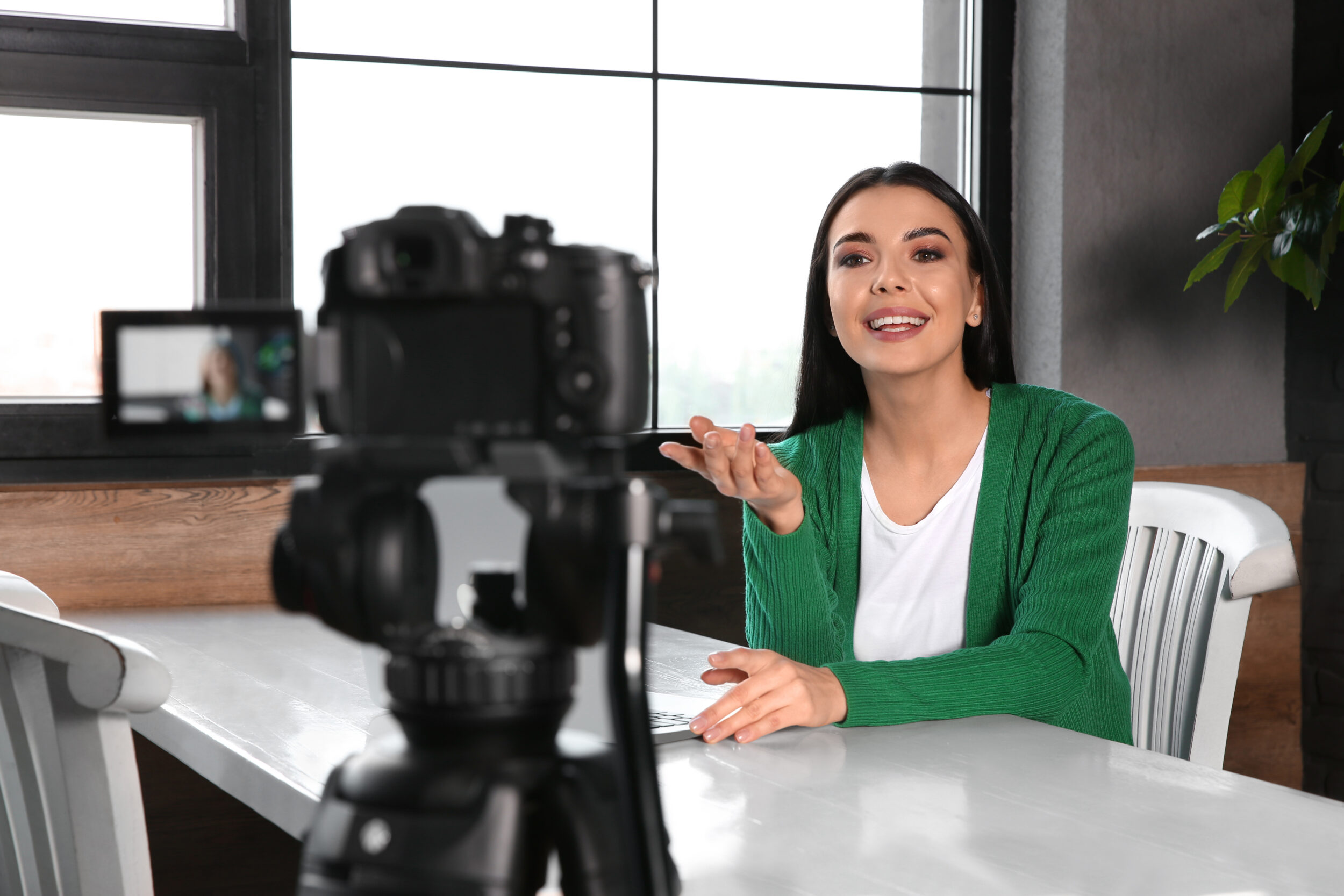

Having strong video presentation skills has never been so important. From LinkedIn thought leadership and social media videos to internal communications, all sorts of businesses and organisations are investing time and effort into video content.
Yet too many people, otherwise confident, become a different person the moment the camera’s switched on.
They read from scripts. They overthink every word. They speak too quickly. They lose the energy and personality that make them compelling in the first place.
The answer isn’t to “be more natural.” It’s to develop the skills to communicate naturally on purpose.
The camera exposes weak communication
Good video isn’t simply about looking comfortable. It’s about making your message land.
On camera, there is nowhere to hide behind a slide deck, a meeting room or a lengthy report. Your voice, body language, facial expression and choice of words are all working, or not working, together.
That makes video a powerful test of communication.
The strongest presenters understand that the goal isn’t perfection. It’s connection. They know their audience, have a clear point of view and communicate with enough structure to stay focused without sounding scripted.
That is particularly important on social media, where attention is scarce and audiences can scroll past in seconds.
Don’t memorise. Understand your message
One of the biggest mistakes people make is trying to memorise what they want to say.
It sounds sensible. In practice, it often produces stiff, unnatural delivery.
Great on-camera communication starts with knowing what you want to say, why it matters and what you want your audience to do or think differently as a result.
Once those fundamentals are clear, you can focus on how you say it: pace, tone, pauses, emphasis, eye contact and body language.
These aren’t mysterious presenter tricks. They are practical communication skills.
And they improve with practice.
Confidence comes from doing, not knowing
You can watch hundreds of videos about presenting. It won’t make you comfortable in front of a camera.
You need to get in front of one.
Our practical, video skills training is led by an experienced broadcast journalist, combining professional broadcast expertise with hands-on coaching.
Participants don’t just learn the theory. They practice. They review. They get constructive feedback. And they learn techniques they can take straight back into their working lives.
That might mean delivering a two-minute LinkedIn video, recording an executive message or answering questions on camera without sounding rehearsed.
The objective isn’t to turn representatives into broadcasters.
It’s to help them become better communicators when the camera is running.
Your audience doesn’t expect perfection
Perhaps the most important shift is this: stop trying to perform for the camera.
Talk to the person watching it.
Be clear. Be useful. Have a point of view. Let some personality through.
The organisations that win with video won’t necessarily be those with the biggest production budgets. They’ll be the ones whose people can communicate with clarity, credibility and confidence.
Because when everyone has a camera, the competitive advantage is knowing what to do with it.